Home 5 Services 5 Individual Children’s Therapy 5 Speech Language Pathology

Speech-Language Pathology

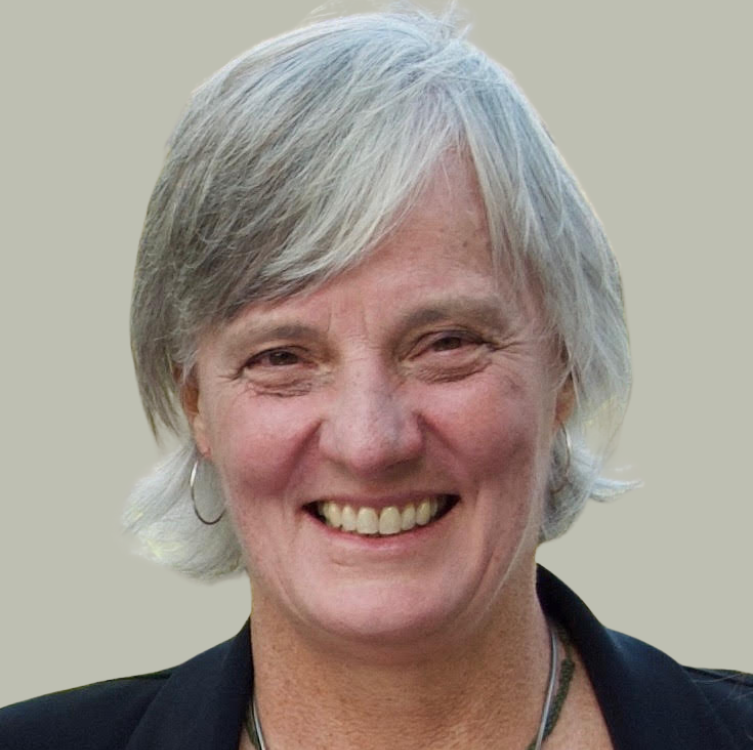
“Communication is the essence of human life.” – Janice Light

What is Speech-Language Pathology?

Speech-Language Pathology, also known as Speech Therapy, is a therapy service focused on improving a child’s speech and their abilities to understand and express language (including nonverbal language). This therapy focuses on preventing, identifying, evaluating, and treating speech, language, voice, feeding, and swallowing disorders in toddlers, children, adolescents, and adults.

At LSCTS, the Speech-Language Pathologist (SLP) will complete an assessment which will uncover the individual needs of your child. An assessment may include an interview with you and your child, completion of both formal and informal tests and questionnaires. Depending on your child’s needs, an assessment may range from 30 minutes (to screen speech and language skills) to several hours (to complete a full language – learning assessment). 

The SLP will determine if therapy is necessary and create a support plan for the child. This plan will outline goals, frequency and duration of the therapy sessions. The family and the SLP will decide if the support plan will be carried out by the SLP or the Communicative Disorders Assistant (CDA). 

Current research supports the view that play based therapy for children under the age of 6 is the most beneficial. To target a child’s communication goals, the therapist will engage the child in play that targets functional use of language in the most natural way possible.  

As part of the treatment process, the SLP will provide strategies in the form of handouts and materials for the home environment.  These strategies would encourage the development of their specific communication goals.

What can Speech-Language Therapy Help With?

We assist children of all ages from toddlers to teens. Common communication challenges include:

  • Speech sounds—how we say sounds and put sounds together into words. Other words for these problems are articulation or phonological disorders, apraxia of speech, or dysarthria.
  • Language—how well we understand what we hear or read and how we use words to tell others what we are thinking. In adults this problem may be called aphasia.
  • Literacy—how well we read and write. People with speech and language disorders may also have trouble reading, spelling, and writing.
  • Social communication—how well we follow rules, like taking turns, how to talk to different people, or how close to stand to someone when talking. This is also called pragmatics.
  • Voice—how our voices sound. We may sound hoarse, lose our voices easily, talk too loudly or through our noses, or be unable to make sounds.
  • Fluency—also called stuttering, is how well speech flows. Someone who stutters may repeat sounds, like t-t-t-table, use “um” or “uh,” or pause a lot when talking. Many young children will go through a time when they stutter, but most outgrow it.
  • Cognitive-communication—how well our minds work. Problems may involve memory, attention, problem solving, organization, and other thinking skills.

Content courtesy of American Speech and Hearing Association (asha.org)

SLP or CDA – What is the Difference?

What is a Speech-Language Pathologist (SLP)?

Speech Language Pathologists (SLP’s) in Ontario are licensed, registered professionals who are able to assess, diagnose and treat communication based disorders. In Ontario, this requires a Master’s level degree, as well as registration with the College of Audiology and Speech Language Pathology of Ontario (CASLPO). 

Communicative Disorders Assistant (CDA’s) are

CDA’s are trained to provide individualized treatment under the supervision of a licensed SLP.  CDA’s can provide individual or group therapy sessions for a variety of different communication needs in children and adults. CDA’s have a post-graduate diploma in Communicative Disorders.

Who is Speech-Language Therapy For

 Speech-Language Therapy is for children who have difficulties with their speech and language skills. These difficulties can be due to motor or cognitive delays. Our therapists can work with children from toddlers to 18 years of age. Speech Language Therapy is suitable for children that struggle with weak oral muscles, hoarseness of voice, articulation problems, stuttering, fluency problems, language processing, selective mutism, those who are non-verbal, problems with literacy and much more.

Fee Schedule for Speech-Language Therapy

Please review the fees for the selected services. Prices are subject to change. For the most up-to-date pricing information, visit the “How it Works” page or our online booking site.

Language Assessment (7-18 yrs) – Includes report$475.00
Language Assessment (2-6 yrs) – Includes report$350.00
Preschool Assessment (0-2 yrs) – Includes report$225.00
Articulation Assessment – Includes report$225.00
Treatment Sessions (SLP)1 hour$150.00
Treatment Sessions (SLP)45 minutes$125.00
Treatment Sessions (CDA)1 hour$120.00
Treatment Sessions (CDA)45 minutes$100.00
Goal Update Session (SLP Only) – Includes goal sheet$175.00
Intake

It begins with a conversation. You may know what services you are looking for, or may want to talk that through with someone who can guide you. Coming into our clinic begins with a call to our Administration staff to schedule your first appointment with a therapist. This first appointment may be a consultation where we collect relevant history and the details related to your most pressing concerns. The first appointment may also involve an assessment, where we are using standardized testing to inform next steps and recommendations.

Support Plan Development

Following the consultation/assessment appointment, the therapist will use the information gathered, and with the caregiver’s input, build a mutually agreed upon support plan. This may include goals for individual therapy sessions, further additional assessments, and guiding recommendations.

Therapy Sessions

Therapy sessions include the therapist, the child and the caregiver. Caregivers are encouraged to join in their child’s therapy sessions to observe the progress their child has made, to understand the activities and the desired outcome, and to learn how what happens in the therapy session can translate to the home setting. These sessions are also important in building rapport between your child, yourself and the therapist, as this is how we get to know you better and shape our sessions to meet your child’s individual needs.

Review and Next Steps

Once several therapy sessions have taken place, and the child has met their goals as laid out in their support plan, your therapist will meet with you to discuss next steps. This time of reassessment is an opportunity to celebrate the gains that have happened through therapy and determine what next steps are recommended to take place. This may include adjusting the support plan and carrying on with therapy sessions, or perhaps referring to an additional discipline to assist in reaching some new objectives, or celebrating the end of therapy sessions and your child reaching their goals!

Our Process

Here at LSCTS, our process can be boiled down to four essential steps. Our process ensures that our team follows best practices for each child and their families, every single time. Although we follow a standard process, the help and care that your child receives will be as unique as they are.

Read our most Frequently Asked Questions 

Starting on your child’s therapy journey can be confusing at times. So we’ve put together some of the most frequently asked questions to help you easily navigate your journey here at LSCTS.

Why is my child not talking?

Did you know that 15% of all children are considered late talkers? A late talker has mastered 50 words or less by age 2 and cannot combine words together. I.e., more bubbles (will say “more” or “bubbles” but will not say them together). There is no single explanation for a child to be a late talker. Some late talkers can acquire language without therapy but it is recommended that all language delayed children receive speech therapy to help facilitate their language development.

How does playing in therapy help with my child’s language skills?

Although therapy may look like simply playing, it is the best and most common approach to stimulate your child’s language development. Firstly, it ensures that the child is excited to come back to therapy and participate with the therapist during the session. Secondly, speech therapists are adept at targeting set goals while the child plays, they are learning without even realizing it! Lastly, since play and language skills develop in tandem, we often play during speech therapy sessions to encourage language.

How much of my child’s speech should others be able to understand at this age?

Typically, a child should be 95-100% intelligible to unfamiliar people by age 4. For younger children, unfamiliar people should be able to understand approximately 25% of their speech by age 1, 50% of speech by age 2, and 75% of speech by age 3.

How long will my child need therapy? How many sessions will we do per week?

The number of sessions will depend on a variety of factors. For example, a child with an articulation disorder may require 10-15 sessions depending on the severity of the issue. The number of sessions and frequency of sessions will be recommended by the SLP following an assessment.

Other Services

Events &
Special Programs

Groups

Summer Programs

Parent/Caregiver Coaching

New Clients / Questions

To book an initial assessment or ask a question, fill out the form below, and we’ll get back to you within 24-48 business hours.

If you’re an existing client with a question, please reach out via email or call the office.
Existing Client

Book your appointment online through Jane

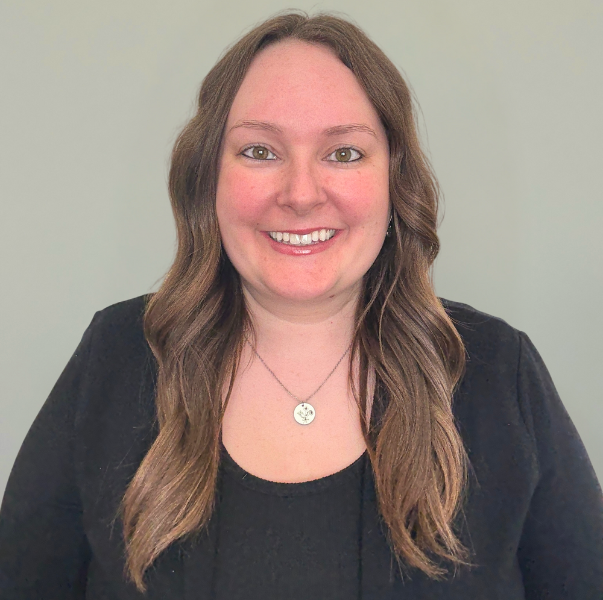
Mikylah Heathcote

Social Worker - BSW, MSW, RSW

Mikylah is a social worker and psychotherapist at LSCTS with over 15 years of experience supporting children, adolescents, and families. She holds both a Bachelor’s and Master’s degree in Social Work and is registered with the Ontario College of Social Workers and Social Service Workers (OCSWSSW).

Her experience includes work in therapeutic homes, the court system, school-based social work, and private practice. Mikylah’s work is grounded in attachment-based and trauma-informed approaches, and she offers a warm, collaborative, and nonjudgmental space. She is especially passionate about supporting parents and caregivers in building confidence and strengthening connections with their children.

Mikylah supports parents and families, parent–child relationships, child and adolescent mental health (age 6+), separation/divorce, grief and bereavement, neurodivergence, emotion regulation, trauma, school difficulties, and social-emotional challenges.

Joanne van Rennes

Human Resources and Culture Manager - BScN, RN

Joanne is the Human Resources and Culture Manager at LSCTS. She is a Registered Nurse.

Joanne has over 25 years experience as a manager in a variety of Community Health settings, with a focus on family centered care and engagement.

Joanne has an interest in building strong teams and loves working in the richness of a multi-disciplinary environment. Outside of work Joanne loves hanging out with her family and her dogs.

Justine Kitchen

Clinical Manager & Occupational Therapist, OT Reg. (Ont.)

Justine Kitchen is the Clinical Manager and an Occupational Therapist at LSCTS. She has 15 years experience as an OT and has worked in the Paediatric field her entire career.

Justine’s practice has always focused on family-centered care. It’s her educated belief that you cannot treat just the child, but that progress involves active involvement from parents and/or other caregivers in that child’s life.

Justine enjoys helping parents/caregivers navigate the recognition of needs and creating a plan of action for therapy and care. She is interested in child/adolescent mental health and emotional regulation and how this can be intertwined with sensory issues and resulting behaviours.

Niki Hoffman

M.A., Clinical Psychological Associate

Niki is a Clinical Psychological Associate at LSCTS. She is registered with the College of Psychologists of Ontario (Autonomous Practice) with declared areas of competency in clinical psychology in assessment/evaluation, therapeutic intervention, and consultation with children, adolescents, and adults.

Niki brings years of experience in psychoeducational, psychological, neurodevelopmental, and mental health assessment, having completed well over 1000 such assessments with children, adolescents, and adults ranging in age from infancy to the elderly. She believes that in order to support or remediate an issue, we must first gain a thorough understanding of exactly what the problem is, as well as any personal and environmental factors at play through an integral assessment process. Once the problem is understood, detailed recommendations for treatment and support can be personalized to the individual and provided to parents, educators, and organizations as needed. Her assessment reports are thorough and detailed, and her recommendations are closely tailored to both the client and the environment, whether that be home, school, or in the community.

Her main areas of therapeutic focus include anxiety, depression, and trauma-related disorders. She draws from a number of therapeutic modalities including CBT, CPT, ACT, and mindfulness strategies, as well as Equine-Assisted Psychotherapy and Art Therapy.

Sarah Leuverink

Occupational Therapist - OT Reg. (Ont.)

Sarah is an Occupational Therapist at LSCTS. Sarah holds a Bachelor’s degree in Kinesiology from the University of Toronto and a Master of Occupational Therapy from Australia.

Sarah has experience supporting children of all ages in a variety of settings, including coaching youth soccer, leading day camps, and working in a private clinic as a Paediatric Occupational Therapist in Australia. Sarah is passionate about neuroaffirming practice and celebrating each child’s unique strengths and interests. She strives to create a safe, supportive, and engaging environment where children and families can work collaboratively toward meaningful goals.

She has a particular interest in sensory integration and regulation.

Erin Gilchrist

Speech-Language Pathologist

Bio coming soon

Nicole Ritchie

Occupational Therapist

Nicole is an Occupational Therapist at LSCTS. She completed her Bachelor’s degree in Health Science and Psychology and has additional training in disability and physical activity.

Born and raised in Parry Sound, Nicole is excited to support children and families in her home community. She has coached many local youth sports teams and enjoys guiding children as they explore new skills, build confidence, and reach their unique goals. Nicole values collaborating with families and takes an encouraging, engaging approach to help children grow and thrive.

Maryam Mohammadmiri

Therapy Assistant & Communicative Disorders Assistant 

Maryam is a Communicative Disorders Assistant and Therapy Assistant at LSCTS. She holds a Bachelor’s degree in psychology, an Early Childhood Educator (ECE) certification, and a Communicative Disorders Assistant (CDA) certification. She has experience providing therapy in both individual and group settings, supporting clients with diverse communication needs.

Under the supervision of speech-language pathologists and occupational therapists, she implements therapy plans using a family-centered approach. Maryam integrates evidence-based techniques to promote growth and development in her clients.

She creates a warm, adaptable, and collaborative environment, helping clients make meaningful progress, fostering confidence, and supporting them in achieving their therapy goals.

Lyndsey Stevenato 

Occupational Therapist - Reg. OT (Ont.) 

Lyndsey is an Occupational Therapist and the owner and operator of LSCTS. She has a certification in Sensory Integration and is certified in the SOS (Sequential-Oral-Sensory) approach to feeding.

Lyndsey has a passion to see children be the best they can be with whatever skills they have. She has a keen interest in sensory integration and feeding ability.

Lindsay North

Speech-Language Pathologist – BAS (Hons), M.Cl.Sc. (SLP)

Lindsay is a Speech-Language Pathologist at LSCTS. She holds a Master’s Degree in Communication Sciences and Disorders from Western University. Lindsay has experience providing client-centered, collaborative care in a variety of healthcare and community settings.

Lindsay is passionate about providing accessible and engaging SLP services to families living in Northern Ontario. She is eager to help children reach their communication goals in her home community of Parry Sound!

Erika Alguire

Communicative Disorders Assistant - CDA

Erika is a Communicative Disorders Assistant at LSCTS, under the supervision of a Speech-Language Pathologist (SLP). She is passionate about helping clients to communicate in the way that works best for them and their families.

Erika has experience providing treatment under the supervision of an SLP in a pediatric speech clinic. She also has worked with children for several years in many other settings, such as at day camps, birthday parties, and pre-schools. Above all else, her experience has taught her the importance of getting to know children and their families to help provide the best care possible.

Erika is especially interested in Augmentative and Alternative Communication (AAC), which are tools and techniques for communicating non-verbally that can be helpful for some children.

Shannon McCabe

Therapist Assistant - TA


Shannon is a Therapy Assistant at LSCTS. She has a Bachelor’s Degree in Community Health from Brock University and earned her OTA/PTA diploma at Georgian College.

Shannon’s experience includes working with children ages 4-18 years within a variety of therapy settings — including school based care, home based care, and care within the community. She has a strong passion for ensuring each child has access to the care needed where they feel their most comfortable.

Shannon’s goal is to provide children and their families with the care and support needed for them to learn, grow, and feel supported and empowered.

Hannah Davies

Occupational Therapist - Reg. OT (Ont.)


Hannah is an Occupational Therapist at LSCTS. She completed her bachelor’s degree in Child, Youth, and Family Studies from the University of Guelph, and is certified as an Early Childhood Educator.

Hannah brings a varied range of experience to her practice, drawing from her community therapy work in Vancouver, BC and from roles outside of her OT career, such as ski instructor, camp counsellor, nanny, and Early Childhood Educator. Drawing from this wealth of experience, her approach to practice is deeply rooted in early intervention and family-centered care.

Hannah enjoys working to help children of all ages achieve their goals, from infancy to young adult-hood. She is excited to use her creativity to develop fun, engaging, and enriching intervention plans while working in partnership with children and families.

Kathleen (Katie) Shaughnessy

Social Worker - MSW, RSW


Katie is a Social Worker at LSCTS. Katie believes in the inherent strengths of each child and her approach to counselling is rooted in building upon these strengths, fostering resilience, and empowering children to navigate life's challenges.

Katie creates a safe and supportive space by encouraging open communication, allowing children to express themselves freely. She draws from her experiences working with children and families in areas of mental health, child welfare, and mentoring coordination.

Katie incorporates trauma-informed, strengths-based and child-focused approaches to promote positive change and growth. She is passionate about ensuring children feel heard and understood, and that their perspectives are integrated into the counselling process.

Wendy Neely

Behavioural Coach & Group Facilitator


Wendy Neely is the Behavioural Coach and a Group Facilitator at LSCTS. She is a trained Social Service Worker with a Bachelors degree in Psychology.

Wendy has spent the last 25+ years working as a Behaviour Consultant within the framework of Applied Behaviour Analysis.

Wendy's extensive knowledge, insight and passion has led her to develop and facilitate a variety of programming for children and adolescents to focus on areas of behaviour that include happiness, anger, fear, assertiveness and more.

Lindsey Johnson

Therapist Assistant - TA

Lindsey is a Therapist Assistant at LSCTS with a diploma from Georgian College.

Lindsey has worked in many sectors, including both paediatric and hospital rehabilitation settings. Lindsey has a strong commitment to providing family-centred care by involving family members and caregivers in the therapeutic process.  

Lindsey believes in fostering a supportive and empathetic environment where children feel heard, respected, and empowered to participate in their care.

Jan Addy

Speech-Language Pathologist - MLS, MSc, SLP (C) Reg

Jan is a Speech-Language Pathologist at LSCTS. Jan currently sees clients in one-on-one sessions as well as servicing the Federal Schools in the greater Parry Sound area.

Jan has over 25 years’ experience working with toddlers, preschool and school-age children who experience communication delays.

Jan’s areas of interest include Articulation, Language Processing, Pragmatics, Reading Difficulties, Stuttering and Voice Delays.

Cassidy Thornton

Therapist Assistant - TA

Cassidy is a Therapist Assistant at LSCTS.

Cassidy is an experienced Therapy Assistant supporting our Occupational Therapist, Physiotherapist and Speech-Language Pathologist in the Parry Sound area.

Cassidy loves working with children particularly, to help them gain confidence, and provide them with the skills and tools they need in order to achieve their goals and reach their optimal potential. Cassidy always brings enthusiasm and positivity to her sessions!

Michelle Dermenjian

Psychologist - M.Ed., C. Psych.

Michelle has been providing psychological services for over 30 years.  She is registered with the College of Psychologists of Ontario in the areas of Clinical, Counselling, School and Organizational Psychology.  After graduating from the University of Western Ontario and the University of Alberta, she began work with Integrated Services for Northern Children in Kenora, travelling to rural and remote communities in northern Ontario, providing multi-disciplinary services for children and their families. She moved to Parry Sound, with her family, where she continued to provide diagnostic and therapy services to infants, children, adolescents, families and adults with Developmental Disabilities at Hands.  

As retired director of Children’s Services and Lead Agency of Child and Youth Mental Health, she had the privilege of working with individuals, agencies, associations, and government advisories to plan for improved services for children and youth across the province.  She considers it an honour to continue to work with clients and families now through private practice, providing professional, evidence-based services that are compassionate and safe.  

As part of her practice, she is partnering with Lyndsey Stevenato Children’s Therapy Services, providing in-person and video-supported psychological services to infants, toddlers, children, and their caregivers.

Jennifer McDonald

Social Worker - BSW, MSW, RSW

Jenn is a Social Worker at LSCTS. She believes in approaching the counselling relationship with gentleness, warmth and creativity. Jenn takes a strength-based, holistic approach to supporting those she works with and regards herself as an ally & helper in the therapy process.

Jenn has Indigenous (Mohawk) and settler Canadian background and has experience working with children, youth and families in various settings and has considerable experience working with Indigenous community directed organisations.

As a new mom, Jenn has a special interest in supporting children and youth and is passionate about creating a safe and meaningful space to foster wellness.

Sarah Stec

Communicative Disorders Assistant - CDA

Sarah is a Communicative Disorders Assistant at LSCTS. She will be working under the supervision of the Speech Language Pathologist to provide treatment either in 1-on-1 or group settings.

Sarah is also a certified Child and Youth Counsellor, with a background in working with deaf, hard of hearing, and deafblind individuals. She also has experience working with Mental Health concerns, Autism Spectrum Disorder, Down Syndrome, Cerebral Palsy, and Multiple Sclerosis.

Sarah has a special interest in motor speech disorders and is passionate about making a difference in others lives by helping them reach their goals.

Marissa Buckland

Therapist Assistant - BHSc., TA

Marissa is a Therapist Assistant at LSCTS with a bachelor’s degree in Rehabilitation Science and Bioarchaeology.

Mariss’s experience includes working in psychogeriatrics, traumatic brain injuries, and supervising OT assistants in training as they begin their careers.

Marissa enjoys being the bridge between parents and their children by offering a space for the children to learn and express themselves freely and providing parents the education and tools to support their children between sessions.

Samanta Perez

Occupational Therapist - OT Reg. (Ont.)

Samanta is an Occupational Therapist at LSCTS. She completed her Bachelor’s degree in Human Biology & Nutritional Sciences.

Samanta strives to provide client-centered therapy for children of all ages in fun and engaging ways.

Samanta is passionate to work together with children and their families towards their unique goals. She uses a strength-based approach to foster a positive learning environment.

Jennifer Atkinson

Occupational Therapist - OT Reg. (Ont.)
School services only

Jenn is an Occupational Therapist. She currently works for LSCTS by servicing private schools to help support kids to be the best students they can be.

Jenn has worked with a variety of aged kids in many different settings – including child care, overnight camps, and day camps and in pediatric private practice.

Jenn enjoys getting to know each child’s interests and strengths so she can use those in therapy to progress towards their goals. She particularly likes working on fine motor and self-regulation skills.

Emily Henderson

Marketing Lead

Emily is the Marketing Lead at LSCTS.

Emily brings over 5 years of experience in marketing and communications across not-for-profits, municipal government, and publishing sectors.

Before her marketing career, Emily was a registered Early Childhood Educator where she developed a lasting passion for working with children and families.

For partnerships, collaborations, or other marketing inquiries, contact Emily at marketing@childrenstherapy.ca.

Becky Robinson

Client Care Lead

Becky is the Client Care Lead at LSCTS. She has been working with the clinic since July 2006, being the first point of contact for the families of LSCTS.

Becky has a genuine interest in all the children and families that walk through the doors of LSCTS, and has had the great pleasure of watching children grow up as they have visited the clinic throughout the years.

Becky is always quick to greet families with a warm and caring smile, and always ready to lend a listening ear. Outside of work, Becky enjoys spending time with her family and going for walks with them.